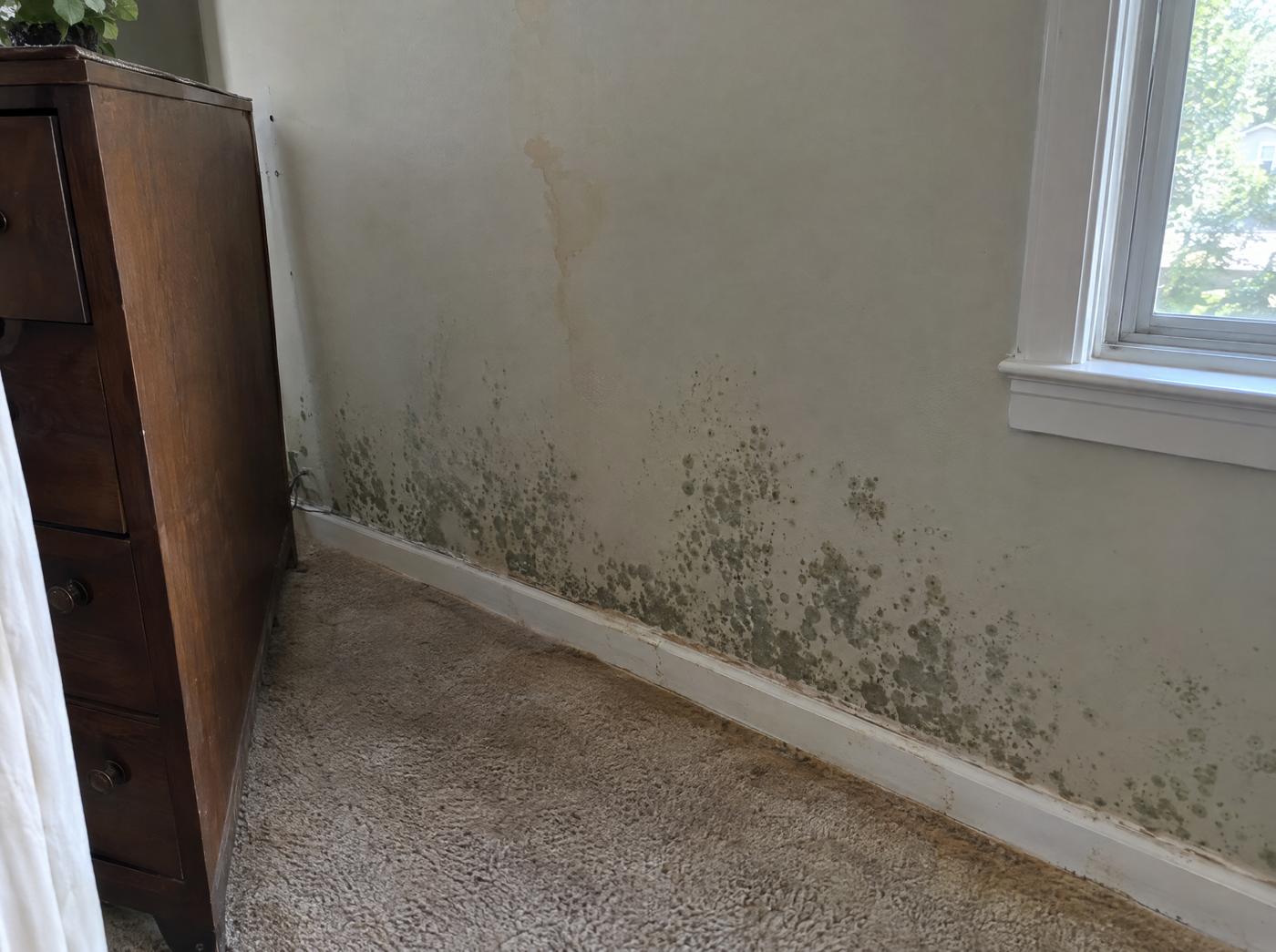
Mold needs moisture, so it nearly always follows a leak, a flood, or a slow drip nobody caught. The EPA says wet materials should be dried within 24 to 48 hours to prevent mold growth. In Marietta's humid summers, a damp crawl space or a wall cavity behind a slow leak can stay wet long enough for mold to take hold before anyone smells it.
Partner companies work with the major homeowners insurers in Georgia, including:
State Farm
Allstate
USAA
Travelers
Auto-Owners
Farmers
American Family
Liberty Mutual
Georgia Farm Bureau
Progressive
Insurers are named for reference only. We are not affiliated with or endorsed by any insurance company.
What to do in the next few minutes
Mold removal only lasts if the moisture is fixed too. Professional remediation follows the ANSI/IICRC S520 standard: find the water, contain the area so spores don't spread, remove what can't be cleaned, clean what can, and dry everything. Ask any company about its training, its insurance, and how it will contain the work.
Water category:Any water left more than 24 to 48 hours
1Find and stop the water source if you can. Mold comes back if the moisture stays.
2Keep the door to the area closed and avoid disturbing the mold.
3Don't run the HVAC system if you think mold is in the ducts or near the return.
4Don't paint or caulk over mold or water stains. It hides the problem without fixing it.
5Photograph what you see and write down when the leak happened. Your insurer will ask.
How a restoration company handles mold remediation in Marietta
Step 1
Find the moisture
A thermal camera and moisture meters find the water feeding the mold in walls, ceilings, floors, or the crawl space.
Step 2
Contain
Plastic barriers and negative air pressure keep spores out of clean rooms.
Step 3
Remove
Moldy drywall, insulation, and carpet are removed and bagged. Solid surfaces are cleaned.
Step 4
Filter the air
HEPA vacuums and air scrubbers capture loose spores and dust while the work goes on.
Step 5
Dry and verify
Materials are dried to their normal moisture level and checked before walls are closed up.
Local notes
What Marietta homeowners should know
Mold often traces back to a damp crawl space or a slow leak behind a wall rather than one big flood. The EPA says wet materials should be dried within 24 to 48 hours to prevent mold. For areas larger than about 10 square feet, the EPA suggests professional help.
Insurance
Will insurance cover it?
Many homeowners policies limit or exclude mold, but they generally cover the water damage that caused it if the leak was sudden and you acted quickly. Fast drying and good records keep a covered water claim from turning into a mold claim with a lower limit.
We couldn't find a Georgia state license for mold assessment or remediation, so there's no state license number to check. Ask about the company's training, such as IICRC certification, whether it carries insurance, and how it will contain the area. For repair work after the mold is removed, ask whether the company holds a Georgia contractor license.
Do I need mold testing?
Often not. The EPA says that if you can see mold, sampling usually isn't necessary, and there are no federal limits to test against. Testing can help when you smell mold but can't find it, or to confirm an area was cleaned properly.
Can I clean up mold myself?
The EPA says an area under about 10 square feet can usually be handled by a homeowner. Larger areas, mold after a lot of water damage, mold in the HVAC system, or mold after sewage or flood water should go to a professional.
Does homeowners insurance cover mold remediation?
It varies. Many policies cap mold at a lower limit or exclude it unless it came from a covered water loss, like a burst pipe. Check your policy, and document the original water damage as soon as you find it.