
Does Homeowners Insurance Cover Water Damage in Georgia?
By Marietta Leak Help · Reviewed
Short answer
Usually yes for sudden water from inside the house, like a burst pipe or a failed water heater. Usually no for sewer or sump backups unless you bought a water backup endorsement. Never for flooding from outside, which needs separate flood insurance.
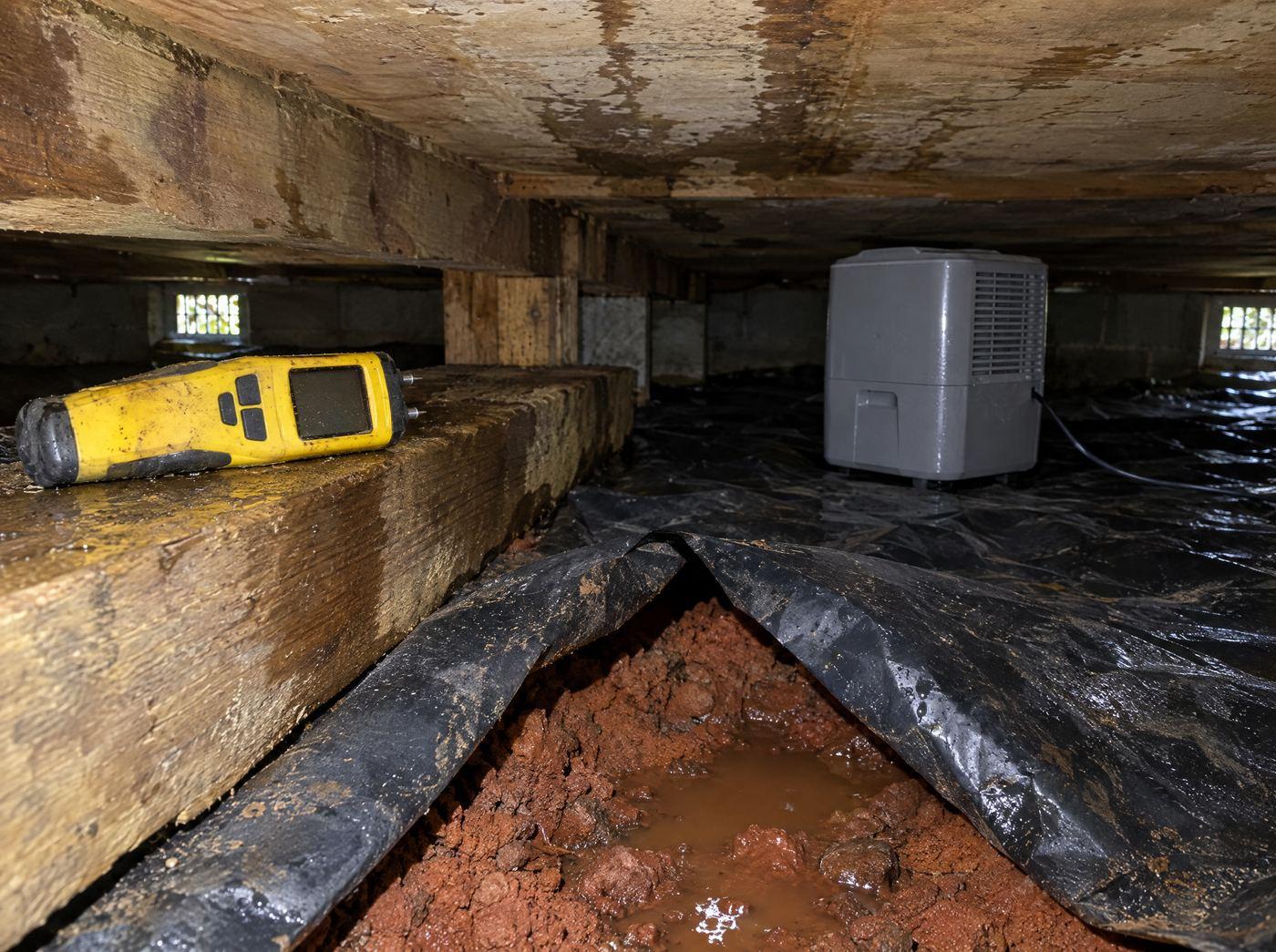
Most Georgia homeowners carry an HO-3 policy. Whether it pays for water damage depends less on how bad the damage looks and more on where the water came from. Here is how each common Marietta water loss is usually treated. Your own policy and adjuster have the final word.
Usually covered: sudden water from inside the house
HO-3 policies cover "sudden and accidental discharge" of water from plumbing, heating, air conditioning, and household appliances. That includes:
- A burst or frozen pipe, as long as the home was heated or the water was shut off and drained
- A water heater, washer hose, dishwasher, or fridge line that fails suddenly
- Drying, tear-out needed to reach the leak, and repairs of resulting damage
- Hotel or rental costs if the home can't be lived in
The broken pipe or appliance itself is usually not covered, and slow leaks that went on for weeks are commonly excluded as repeated seepage.
Needs an endorsement: sump pump and sewer backups
Water that backs up through a drain or overflows a sump pit is excluded from the base HO-3 form. It's covered only if you added a water backup endorsement, which usually carries its own, separate limit. Look for "water backup" on your declarations page. See crawl space and basement water removal and sewage backup cleanup for what those jobs involve.
Needs flood insurance: water from outside
Overland flooding, flash floods, and creek overflow are excluded from a standard homeowners policy. They are covered only by a National Flood Insurance Program (NFIP) policy or a private flood policy. The Georgia Insurance Commissioner's office notes you can buy up to $250,000 in NFIP coverage for your home, and FEMA says there is typically a 30-day waiting period before a new policy takes effect. Flash floods can reach homes well outside mapped floodplains, so it's worth checking your flood zone at the FEMA Flood Map Service Center even if you aren't near a creek.
Your rights as a Georgia policyholder
- A standard Georgia homeowners policy covers wind and tornado damage but not flooding. Flood coverage is a separate National Flood Insurance Program policy, available only if your community takes part in the program. (Georgia Insurance Commissioner, severe weather tips)
- If you have a problem with how a claim is being handled, you can file a consumer complaint with the Georgia Office of Insurance and Safety Fire Commissioner. (Georgia Insurance Commissioner, file a complaint)
- Your insurer assigns you an adjuster at no charge. A public adjuster works for you instead, must hold a Georgia license and a Commissioner-approved contract, and may charge up to 33 percent of the settlement. You can check any license online. (Georgia Insurance Commissioner, Bulletin 23-EX-1)
- If private insurers won't write a policy on your home, the Georgia Underwriting Association offers basic property coverage as the state's backup market. (Georgia Underwriting Association)
How to file a water damage claim
- Stop the water: close the main shutoff, and switch off power to wet rooms only if it's safe.
- Photograph every wet room from all four corners, plus close-ups of the source and damaged items.
- Call a restoration company to start drying. Policies expect you to prevent further damage.
- Call your insurer or agent, report the loss, and write down the claim number.
- Keep receipts for anything you spend, including hotel stays and emergency supplies.
- Give your adjuster the moisture readings, photos, and itemized estimate from the restoration company.
Want a quick read on your situation first? The water damage estimator shows the water category, typical equipment, and the likely insurance outlook in about a minute. For what a job costs and what you pay out of pocket, read our water damage restoration cost guide.
This guide is general information, not insurance or legal advice. Policies differ; read yours and talk to your agent.
Common questions
Will my insurance rate go up if I file a water damage claim?
It can. Insurers look at claim history when they renew or price a policy, and water claims get extra attention. That's a reason to talk with your agent about the size of the loss compared to your deductible, not a reason to skip drying. Unchecked water damage gets more expensive every day.
Does homeowners insurance cover mold?
Many policies limit or exclude mold, but they usually cover the water damage that caused it if the water loss itself is covered and you acted promptly. Fast drying and good documentation keep a water claim from turning into a mold claim with a lower limit.
I rent. Who pays for water damage?
The building is the landlord's responsibility and their insurance. Your renters policy (HO-4) may cover your belongings and temporary housing if the loss is a covered peril. Tell your landlord in writing right away.
I own a condo. Is the HOA or my policy responsible?
It depends on your HOA's master policy and bylaws. The master policy often covers common areas and the building structure, while your HO-6 policy covers your unit's interior and belongings. Read both before you call either insurer.